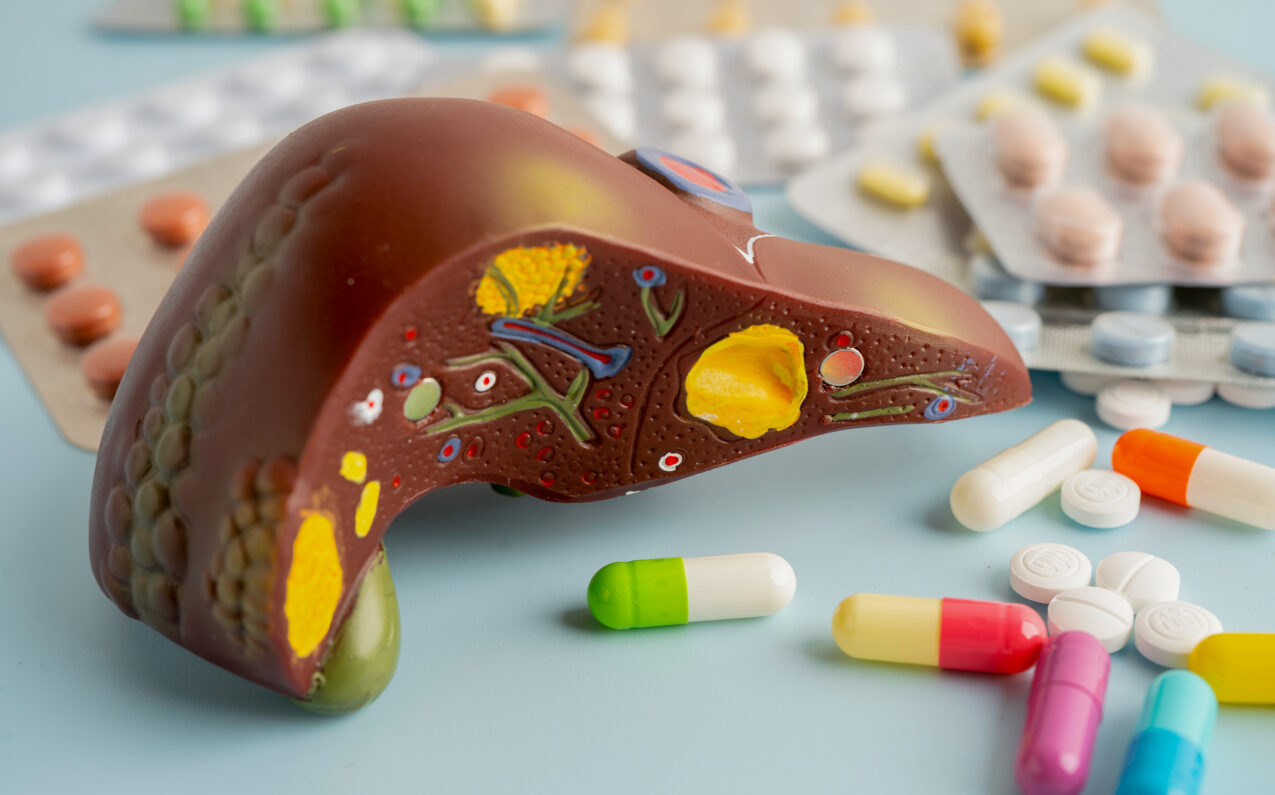
Every year on April 19, the world comes together to mark World Liver Day — a global call to action dedicated to raising awareness about liver health and disease prevention. This year’s official theme, “Food is Medicine,” places nutrition at the very heart of the conversation, reminding us that the choices we make at every meal have a direct and measurable impact on one of the body’s most vital organs.
At Waaberi Hospital, we are proud to stand alongside the international medical community in championing this message. Our gastroenterology and internal medicine teams are committed to helping every patient in Mogadishu and beyond understand that liver disease is largely preventable — and that prevention begins on your plate.
Why the Liver Deserves Your Attention
The liver is a remarkable organ. It performs over 500 critical functions daily, including filtering toxins from the blood, regulating metabolism, supporting digestion through bile production, and synthesizing proteins essential for clotting and immunity. Despite its extraordinary resilience, the liver is increasingly under threat. Conditions such as non-alcoholic fatty liver disease (NAFLD), viral hepatitis, and cirrhosis are rising at alarming rates globally — and poor nutrition is a leading driver of this trend.
The Science Behind “Food is Medicine”
This year’s theme is not a metaphor — it is a clinically supported reality. Research consistently shows that a diet rich in whole, minimally processed foods, healthy fats, and plant-based polyphenols actively supports liver cell regeneration and reduces inflammation. Conversely, diets high in added sugars, saturated fats, ultra-processed foods, and excess calories accelerate fat accumulation in the liver, promoting the progression from fatty liver to fibrosis and, ultimately, cirrhosis.
Key evidence-based findings include:
- Losing just 5–10% of total body weight can significantly reduce liver fat, curb inflammation, and even reverse early liver damage
- Diets high in fiber from whole grains, legumes, and vegetables support bile flow and reduce liver stress
- Limiting added sugars and refined carbohydrates directly lowers the risk of metabolic-associated fatty liver disease
- Healthy fats from sources like olive oil, nuts, and fish provide anti-inflammatory protection to liver cells
Foods That Heal vs. Foods That Harm
| 🟢 Liver-Friendly Foods | 🔴 Foods to Limit |
|---|---|
| Leafy greens (spinach, kale) | Sugary beverages and sodas |
| Whole grains (oats, brown rice) | Fried and deep-fat foods |
| Olive oil and avocado | Ultra-processed snacks |
| Fatty fish (rich in omega-3) | Excess red and processed meats |
| Coffee (in moderation) | Foods high in saturated fat |
| Berries and citrus fruits | White bread and refined flour |
| Legumes and lentils | Foods high in added salt |
A Word From Our Specialist
“The liver is one of the few organs that can repair itself — but only if we give it the right environment to do so. Every patient I see with early-stage fatty liver disease has the power to reverse it through dietary change. This World Liver Day, my message to the Mogadishu community is simple: do not wait for symptoms. Start protecting your liver today with what you eat.”
— Dr. Mohamed Warsame, Gastroenterologist, Waaberi Hospital
Our Message to the Mogadishu Community
This World Liver Day, we urge every family to take one meaningful step: replace one processed meal this week with a whole-food alternative. Small, consistent dietary changes compound over time into extraordinary health outcomes. Whether you have been diagnosed with a liver condition, are managing diabetes or obesity, or simply wish to invest in your long-term wellbeing, our specialist team is here to guide you.
📍 Visit us: Near Hotel Shamo, Soobe District, Mogadishu
📞 Book a consultation with our Gastroenterology & Internal Medicine specialists today.