


Gastroenterology
The Gastroenterology Department at Waberi Hospital focuses on the diagnosis, treatment, and long-term management of diseases affecting the digestive system. Our team provides specialized medical care for conditions involving the esophagus, stomach, intestines, liver, pancreas, and gallbladder.
Using modern diagnostic technology and evidence-based medical practices, we aim to identify digestive conditions early and provide effective treatment that improves patients’ health and quality of life.
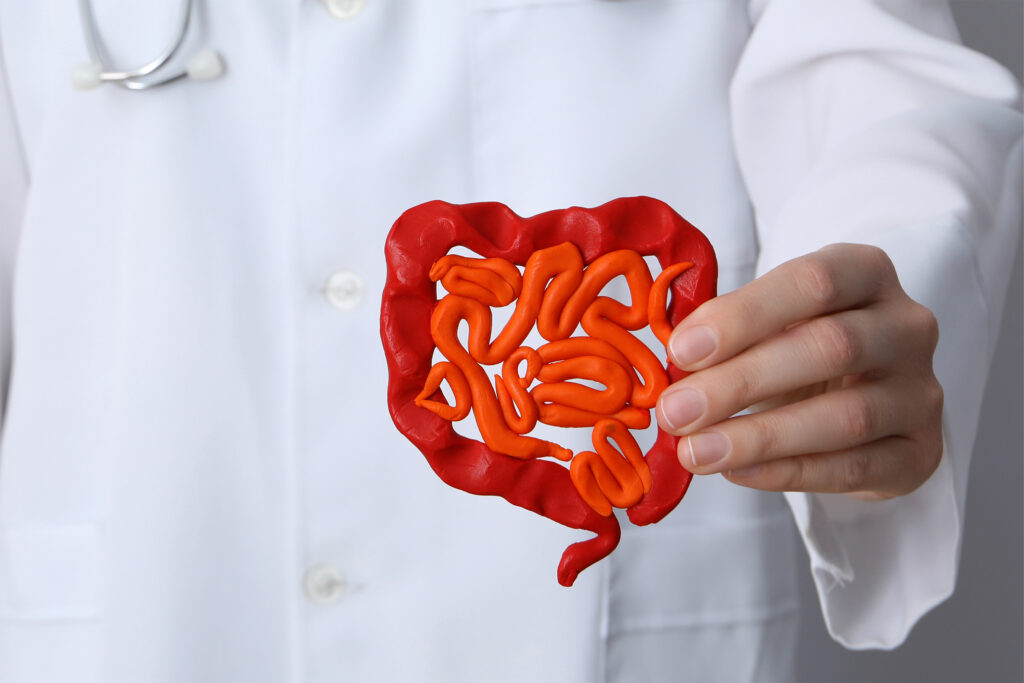
Areas of Gastroenterology Care
Digestive disorders can affect many aspects of health and daily life. At Waberi Hospital, our gastroenterology specialists evaluate symptoms carefully and provide personalized treatment based on each patient’s condition.
Gastric and Digestive Disorders
Diagnosis and treatment for conditions such as gastritis, acid reflux (GERD), peptic ulcers, indigestion, and other common digestive problems.
Intestinal Health
Management of chronic conditions including irritable bowel syndrome (IBS), inflammatory bowel disease, constipation, and other intestinal disorders.
Gallbladder Conditions
Assessment and treatment of gallbladder-related diseases that may cause abdominal pain, digestive difficulty, or complications.
Liver and Hepatitis Care
Evaluation and management of liver diseases including Hepatitis B, Hepatitis C, fatty liver disease, and cirrhosis.


Advanced Diagnostic Services
Accurate diagnosis is essential for effective treatment. The Gastroenterology Department uses specialized diagnostic procedures to identify digestive conditions and monitor patient health.
You should consult a specialist if you experience persistent abdominal pain, heartburn, difficulty swallowing, chronic constipation, diarrhea, or unexplained digestive discomfort.
Our department treats gastritis, acid reflux (GERD), irritable bowel syndrome, inflammatory bowel disease, liver disease, gallbladder disorders, and other gastrointestinal conditions.
Yes. Endoscopic procedures are commonly performed diagnostic tests that allow doctors to examine the digestive system safely and accurately.
Maintaining a balanced diet, staying hydrated, managing stress, and seeking medical advice when symptoms appear are important steps in protecting digestive health.